Category: NRI Investment

  • How Branded Residences Deliver Higher Rental Yields for Investors

    How Branded Residences Deliver Higher Rental Yields for Investors

    Luxury real estate is no longer just about owning an exclusive home-it’s about investing in properties that offer both exceptional living and strong financial returns. Among the most sought-after investment opportunities today are branded residences, a segment that has witnessed significant growth across global luxury real estate markets.

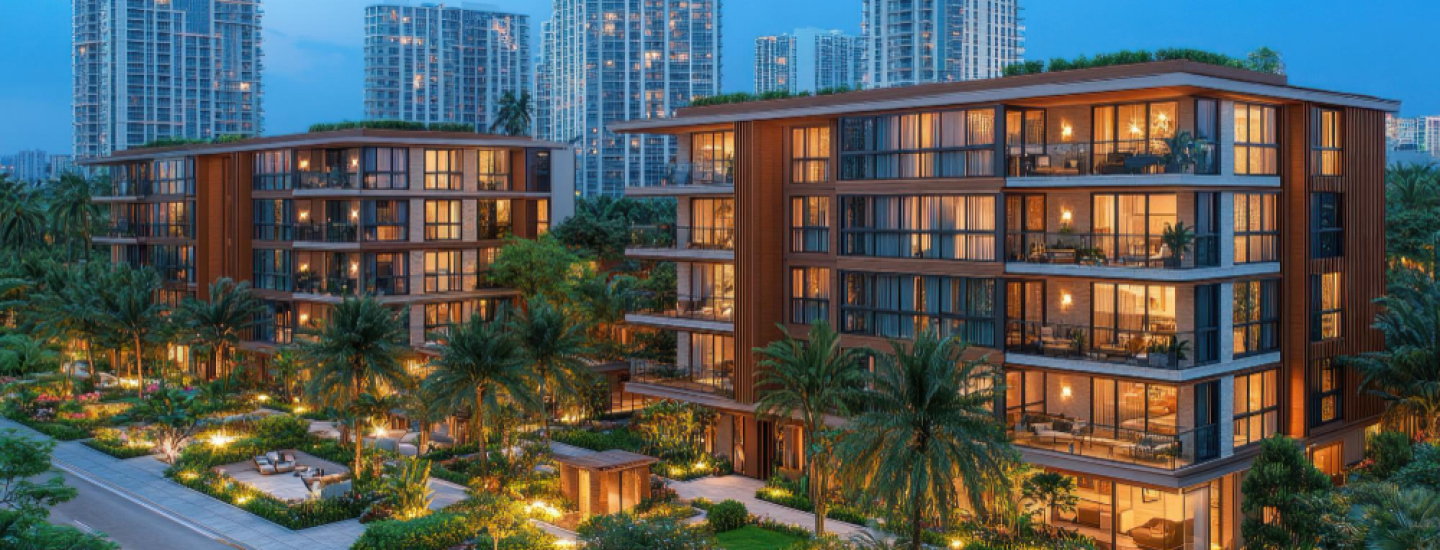
    Developed in partnership with renowned hospitality and lifestyle brands, branded residences combine premium design, world-class amenities, professional management, and prestigious branding. These features not only enhance the resident experience but also allow investors to command higher rental prices, maintain stronger occupancy rates, and achieve long-term capital appreciation.

    Unlike conventional luxury apartments, branded residences offer a complete lifestyle backed by trusted brands, making them highly attractive to affluent tenants and international buyers. Income Estate specializes in connecting investors with premium luxury properties that deliver both lifestyle value and long-term investment potential. 

    What Are Branded Residences?

    Before understanding why branded residences generate higher rental yields, it’s important to know what makes them different from traditional luxury properties. Branded residences are premium homes developed in partnership with globally recognized hospitality or lifestyle brands, offering residents world-class amenities, professional property management, and an elevated living experience.

    Their combination of luxury, brand value, and hotel-inspired services makes them highly desirable among affluent buyers and tenants alike. If you’re new to this investment segment, read our detailed guide on What Are Branded Residences? to learn how they work, their key features, and why they have become one of the fastest-growing sectors in luxury real estate.


    Why Rental Yield Matters

    Rental yield is one of the most important indicators of a property’s investment performance. It measures the annual rental income generated relative to the property’s purchase price.

    Higher rental yields help investors:

    • Generate consistent passive income
    • Improve return on investment (ROI)
    • Offset ownership and maintenance costs
    • Build long-term wealth
    • Reduce financial risk through stable cash flow

    While location has always influenced rental demand, branded residences create additional value that helps investors achieve stronger rental returns than many traditional luxury properties.

    Why Branded Residences Deliver Higher Rental Yields

    1. Premium Brand Recognition Supports Higher Rental Prices

    A globally recognized brand adds credibility and prestige to a residential development. Whether associated with a luxury hotel or an internationally respected lifestyle brand, branded residences inspire confidence among tenants who expect consistent quality and premium service.

    This trust allows owners to charge higher rental rates than comparable non-branded luxury properties.

    Key advantages include:

    • Premium rental pricing
    • Faster leasing
    • Greater tenant confidence
    • International appeal
    • Stronger resale value

    Rather than simply renting a home, tenants are investing in a luxury lifestyle backed by a trusted brand.

    2. Professional Management Enhances Rental Performance

    Professional property management is one of the defining features of branded residences. Dedicated management teams oversee every aspect of the property, ensuring it remains well-maintained while delivering exceptional service to residents.

    Services often include:

    • Tenant acquisition
    • Property maintenance
    • Lease management
    • Concierge support
    • Housekeeping
    • Security management

    For investors, professional management reduces operational responsibilities, minimizes vacancy periods, and helps maintain consistent rental income.

    3. Luxury Amenities Increase Property Value

    Modern luxury tenants expect more than spacious interiors-they seek convenience, comfort, and exclusive experiences.

    Most branded residences include premium amenities such as:

    • Concierge and housekeeping
    • Swimming pools and fitness centres
    • Wellness and spa facilities
    • Smart home technology
    • Business lounges
    • 24/7 security

    These lifestyle-focused features enhance the property’s appeal, allowing investors to justify premium rental prices while improving tenant satisfaction and retention.

    4. Prime Locations Attract Premium Tenants

    Branded residences are typically located in prestigious neighbourhoods, waterfront communities, financial districts, or iconic lifestyle destinations. These locations naturally attract business executives, expatriates, entrepreneurs, and high-net-worth individuals seeking convenience and exclusivity.

    A premium location offers residents easy access to business hubs, luxury shopping, fine dining, entertainment, and international schools, making these properties highly desirable throughout the year.

    For investors, this results in:

    • Strong rental demand
    • Higher occupancy rates
    • Premium rental income
    • Better long-term appreciation
    • Increased resale value

    The combination of a globally recognized brand and a prime location creates a competitive advantage that is difficult for conventional luxury developments to match.

    Branded Residences vs. Traditional Luxury Properties

    While traditional luxury apartments may feature premium interiors and desirable locations, branded residences offer a much broader value proposition. Their association with globally recognized brands creates confidence among both tenants and buyers, giving them a competitive edge in the luxury real estate market.

    Branded residences stand out because they offer:

    • International brand recognition
    • Hotel-style services and hospitality
    • Professional property management
    • Consistent maintenance standards
    • Luxury lifestyle amenities
    • Higher tenant confidence
    • Stronger rental demand
    • Better long-term resale potential

    These advantages allow branded residences to command premium rental prices while maintaining higher occupancy compared to many conventional luxury developments.

    Beyond Rental Income: Long-Term Growth

    Rental income is only one aspect of a successful real estate investment. Long-term capital appreciation is equally important, and branded residences have consistently demonstrated strong value growth in many luxury markets.

    As global demand for branded residential properties continues to rise, limited supply in prime locations helps support property values over time. Buyers are often willing to pay a premium for residences associated with trusted international brands because they offer consistent quality, prestige, and long-term investment confidence.

    Several factors contribute to capital appreciation:

    • Limited inventory of branded developments
    • Strong international demand
    • Prime locations
    • Premium construction quality
    • Professional maintenance
    • Established brand reputation

    When investors benefit from both recurring rental income and increasing property value, the overall return on investment becomes significantly more attractive.

    Is Investing in Branded Residences Worth It?

    For investors seeking reliable rental income and long-term capital growth, branded residences represent one of the strongest opportunities in today’s luxury property market.

    Their ability to command premium rents is supported by globally recognized brands, prime locations, exceptional amenities, and professional management. Together, these factors create higher tenant demand, stronger occupancy, and better overall investment performance.

    Before investing, it’s important to evaluate the developer’s reputation, the strength of the brand, the property’s location, expected rental demand, and management structure. Choosing the right branded residence can provide both recurring income and long-term financial security.

    Conclusion

    Branded residences have transformed luxury real estate by combining prestigious brands with exceptional living experiences and strong investment potential. Their ability to attract affluent tenants, generate premium rental income, and maintain long-term value makes them an excellent choice for investors looking to diversify their property portfolio.

    Whether your goal is passive rental income, portfolio growth, or long-term wealth creation, branded residences offer a compelling balance of lifestyle and financial returns. By investing in a well-located, professionally managed branded residence, you can benefit from higher rental yields while owning a premium real estate asset that continues to appreciate over time.

    Explore Income Estate’s Branded Residences to discover luxury investment opportunities designed to deliver exceptional living experiences and sustainable returns.

    Frequently Asked Questions

    1. Why do branded residences have higher rental yields?

    Branded residences achieve higher rental yields because they combine premium branding, luxury amenities, professional management, and prime locations, allowing owners to charge higher rents while maintaining strong occupancy.

    2. Are branded residences a good investment?

    Yes. Branded residences offer recurring rental income, long-term capital appreciation, strong resale potential, and growing demand from domestic and international buyers.

    3. Who rents branded residences?

    They are popular among high-net-worth individuals, expatriates, corporate executives, entrepreneurs, and families seeking luxury homes with hotel-style services and premium amenities.

  • Why HNIs Prefer Branded Residences Over Traditional Luxury Homes

    Why HNIs Prefer Branded Residences Over Traditional Luxury Homes

    The definition of luxury real estate has evolved significantly over the past decade. For high-net-worth individuals (HNIs), buying a premium property is no longer just about owning a spacious home in a prestigious location. Modern affluent buyers are increasingly prioritizing exclusivity, personalized services, convenience, and long-term value. This shift in preferences has fueled the rise of branded residences, which are rapidly becoming one of the most desirable segments in global luxury real estate.

    Unlike traditional luxury homes that focus primarily on architecture and location, branded residences combine premium living with world-class hospitality, professional management, and the prestige associated with globally recognized brands. As a result, HNIs across the world are increasingly choosing branded residences over conventional luxury properties.

    Changing Preferences Are Redefining Luxury Living

    Luxury today is no longer defined solely by square footage or expensive interiors. Wealthy buyers are seeking experiences that enhance their lifestyle while simplifying daily living. Convenience, privacy, wellness, and seamless service have become just as important as location and design.

    This changing mindset has transformed the expectations of affluent buyers. Many HNIs own multiple properties and travel frequently, making professionally managed residences far more attractive than homes that require constant attention and maintenance.

    Branded residences address these evolving needs by offering a combination of luxury, exclusivity, and hassle-free ownership. They provide a lifestyle that goes beyond traditional real estate and focus on delivering exceptional experiences every day.

    Trust and Brand Reputation Play a Major Role

    High-net-worth individuals often prefer established brands because they symbolize quality, consistency, and excellence. Whether it is a hospitality group, a luxury fashion house, or an automotive brand, the trust associated with a globally recognized name creates confidence among buyers.

    Unlike traditional luxury developments, branded residences benefit from the reputation and standards of the brand behind them. Buyers know they are investing in projects that prioritize design, service, and long-term quality.

    This trust factor is one of the primary reasons why affluent investors are willing to pay a premium for branded residences. For many HNIs, owning a branded residence is not just about real estate-it is about associating themselves with a prestigious global identity.

    Personalized Services Have Become the New Definition of Luxury

    One of the biggest differences between branded residences and traditional luxury homes is the level of service offered. Today’s wealthy buyers value convenience and time more than ever before. Managing a large property, coordinating maintenance, and handling everyday tasks can become challenging, particularly for those who travel frequently.

    Branded residences provide hotel-inspired services that create a seamless living experience. Residents often enjoy:

    • Concierge assistance
    • Housekeeping and maintenance
    • Valet parking
    • Wellness and spa facilities
    • Fine dining experiences
    • Security and property management
    • Private lounges and entertainment spaces

    These services allow homeowners to enjoy a luxury lifestyle without worrying about operational responsibilities. For HNIs, this convenience is often far more valuable than owning a larger standalone property.

    Privacy and Exclusivity Matter More Than Ever

    Affluent buyers place immense value on privacy and exclusivity. Traditional luxury developments often offer premium amenities, but branded residences are designed to deliver a more curated and intimate environment.

    Many branded projects feature limited inventory, private elevators, exclusive lounges, and dedicated lifestyle experiences that cater specifically to a select group of residents. This creates a sense of exclusivity that appeals to celebrities, entrepreneurs, business leaders, and ultra-high-net-worth individuals.

    For wealthy buyers, luxury is not simply about having more-it is about having access to experiences and environments that remain inaccessible to others.

    Branded Residences Offer Better Asset Preservation

    For HNIs, real estate is not only a lifestyle purchase but also a tool for wealth preservation. Branded residences have demonstrated strong resilience in many markets due to their limited supply and global appeal.

    Properties associated with renowned brands often command higher resale values compared to traditional luxury homes. Buyers are willing to pay a premium because they recognize the trust, quality, and exclusivity attached to these developments.

    Several factors contribute to stronger asset preservation:

    • Limited inventory.
    • Premium locations.
    • International demand.
    • Superior management standards.
    • Brand reputation and prestige.

    These characteristics help branded residences maintain their desirability even during changing market conditions, making them attractive long-term investments.

    Global Mobility Has Increased the Appeal of Branded Residences

    Today’s HNIs often have international lifestyles. Many divide their time between multiple countries and maintain homes across different cities and destinations. Managing these properties can become complicated and time-consuming.

    Branded residences solve this challenge by offering professionally managed environments where maintenance and services are handled by experienced teams. Homeowners can travel freely while enjoying peace of mind, knowing their residences are maintained to the highest standards.

    This convenience has made branded residences particularly popular among entrepreneurs, NRIs, expatriates, and global investors who value flexibility and ease of ownership.

    Wellness and Lifestyle Experiences Are Driving Demand

    Modern luxury buyers are increasingly focused on health and well-being. As a result, branded residences have evolved beyond conventional amenities to offer wellness-oriented experiences that support holistic lifestyles.

    Many projects now include:

    • Wellness centers and spas
    • Yoga and meditation spaces
    • Fitness studios
    • Indoor and outdoor recreational facilities
    • Nature-inspired landscapes
    • Dedicated relaxation areas

    These experiences align with the growing preference for balanced and healthier lifestyles. HNIs are increasingly willing to invest in properties that contribute to their physical and mental well-being while enhancing their overall quality of life.

    Stronger Appreciation and Premium Rental Potential

    Branded residences are not just lifestyle assets; they are also attractive investment opportunities. Their exclusivity and global appeal often result in stronger appreciation compared to traditional luxury properties.

    Investors are drawn to branded residences because they offer:

    • Higher resale values.
    • Premium rental yields.
    • Global buyer demand.
    • Better occupancy rates.
    • Long-term wealth preservation.

    The scarcity associated with branded residences further enhances their investment appeal. Since these projects are developed in limited numbers, demand frequently outpaces supply, creating stronger pricing power over time.

    Legacy Assets for Future Generations

    Many HNIs view real estate as a multi-generational asset rather than a short-term investment. Branded residences offer a combination of prestige, quality, and enduring value that makes them ideal legacy assets.

    Owning a residence associated with a globally recognized brand represents more than financial success. It reflects a lifestyle, a reputation, and a standard of living that can be passed on to future generations.

    For wealthy families, branded residences often symbolize stability, status, and long-term wealth preservation, making them highly attractive compared to conventional luxury homes.

    The Future of Luxury Real Estate Belongs to Experiences

    The rise of branded residences reflects a broader shift in consumer behavior. Luxury is increasingly becoming experience-driven rather than ownership-driven. Affluent buyers are prioritizing convenience, personalization, wellness, and exclusivity over traditional definitions of luxury.

    As brands continue to collaborate with developers and introduce innovative concepts, branded residences are expected to become an even larger segment within the global real estate market. Their ability to combine exceptional living experiences with strong investment fundamentals positions them as the future of luxury housing.

    Explore Premium Branded Residences With Income Estate

    As branded residences continue to reshape the luxury real estate landscape, selecting the right project requires more than simply comparing locations and amenities. High-net-worth individuals and investors increasingly seek properties that combine lifestyle, exclusivity, and long-term wealth preservation. Understanding market dynamics, brand value, and investment potential has therefore become essential when evaluating opportunities in this segment.

    At Income Estate, we help discerning buyers and investors discover carefully curated branded residences across leading luxury markets. From iconic urban developments and ultra-luxury communities to resort-inspired projects, our focus is on identifying properties that align with both lifestyle aspirations and long-term investment goals.

    With deep market insights and access to premium developments, Income Estate provides personalized guidance to help clients navigate the evolving world of luxury real estate. Whether you are looking for a primary residence, a legacy asset, or a globally diversified investment, our objective is to help you make informed decisions that create lasting value.

    Final Thoughts

    The growing preference for branded residences among high-net-worth individuals is a reflection of changing lifestyles and evolving definitions of luxury. While traditional luxury homes continue to hold their appeal, branded residences offer something far more compelling-a seamless combination of prestige, personalized services, exclusivity, and long-term value.

    For HNIs seeking more than just a premium address, branded residences provide an opportunity to own lifestyle assets that deliver convenience, wealth preservation, and a truly elevated living experience. As luxury real estate continues to evolve, branded residences are setting new benchmarks for how affluent buyers live, invest, and define success.

    Faqs

    1. Why do HNIs prefer branded residences over traditional luxury homes?

    HNIs prefer branded residences because they offer premium services, exclusivity, professional management, and stronger long-term value compared to conventional luxury properties.

    2. Are branded residences a better investment for high-net-worth individuals?

    Yes, branded residences often provide better asset preservation, higher resale values, premium rental yields, and strong demand from global buyers, making them attractive investment opportunities.

    3. What services do branded residences typically offer?

    Branded residences usually provide concierge services, housekeeping, valet parking, wellness facilities, security, property management, and exclusive lifestyle amenities that enhance convenience and comfort.

    4. How do branded residences differ from traditional luxury homes?

    Unlike traditional luxury homes that focus mainly on location and design, branded residences combine premium real estate with hospitality-inspired services, professional management, and the prestige of globally recognized brands.

    5. Why are branded residences becoming increasingly popular among HNIs?

    Growing demand for convenience, privacy, wellness, and hassle-free ownership has made branded residences one of the most sought-after segments in luxury real estate among affluent buyers worldwide.

  • Delhi-Jaipur Highway: The Emerging Hospitality Investment Corridor

    Delhi-Jaipur Highway: The Emerging Hospitality Investment Corridor

    India’s hospitality sector is undergoing a significant transformation, and investors are increasingly looking beyond traditional urban assets to capitalize on experience-driven destinations. One corridor that has emerged as a promising investment hotspot is the Delhi-Jaipur Highway. Connecting the national capital with Rajasthan’s tourism-rich ecosystem, this strategic stretch is witnessing growing interest from developers, hospitality brands, and investors seeking long-term value.

    Once viewed primarily as a transportation route, the Delhi-Jaipur Highway has evolved into a thriving economic and tourism corridor. Improved infrastructure, rising weekend tourism, destination weddings, corporate retreats, and experiential travel trends are creating new opportunities in hospitality real estate. As a result, areas along this corridor are becoming attractive destinations for luxury resorts, boutique hotels, wellness retreats, and mixed-use developments.

    For investors seeking assets that combine appreciation with recurring income opportunities, the Delhi-Jaipur Highway is steadily establishing itself as one of North India’s most promising hospitality investment corridors.

    Infrastructure Development Is Accelerating Growth Along the Corridor

    Infrastructure has always played a crucial role in determining the success of real estate investments. Over the last few years, significant upgrades in connectivity and transportation have transformed the Delhi-Jaipur Highway into a highly accessible route for tourists and businesses alike.

    Improved highways, expressway connectivity, and increasing urban expansion have shortened travel times and enhanced accessibility. The route now attracts not only leisure travelers but also corporate groups, wedding planners, and weekend visitors looking for premium experiences outside metropolitan cities.

    As connectivity improves further, locations along the highway are expected to witness increased tourism activity and stronger demand for hospitality assets. This combination of infrastructure growth and tourism potential is creating favorable conditions for long-term investment.

    Rising Demand for Destination Weddings Is Fueling Hospitality Growth

    India’s destination wedding industry has witnessed remarkable growth over the past decade. Families are increasingly choosing picturesque venues that combine luxury, privacy, and accessibility. The Delhi-Jaipur Highway benefits from its strategic location, making it an ideal destination for lavish celebrations and large-scale events.

    Luxury resorts and event-focused properties along this corridor are experiencing growing demand from wedding planners and affluent families seeking unique venues. The proximity to Delhi and NCR ensures easy accessibility while allowing guests to enjoy a resort-like atmosphere away from crowded cities.

    This trend has transformed hospitality assets from seasonal businesses into year-round revenue-generating opportunities. Wedding tourism continues to play a major role in strengthening the investment appeal of the corridor.

    Experiential Travel Trends Are Creating New Opportunities

    Modern travelers are increasingly prioritizing experiences over conventional vacations. Weekend getaways, wellness retreats, eco-tourism, and immersive hospitality concepts are witnessing strong demand across India.

    The Delhi-Jaipur Highway offers a perfect setting for these experiences. Surrounded by natural landscapes and positioned close to major urban centers, the corridor attracts travelers seeking relaxation and unique stays.

    Luxury resorts, boutique properties, wellness retreats, and experiential hospitality projects are benefiting from changing travel preferences. Investors who recognize this shift are increasingly viewing hospitality assets as long-term wealth-building opportunities rather than purely lifestyle investments.

    Chandwaji Has Emerged as a Strategic Hospitality Destination

    Among the various locations along the Delhi-Jaipur Highway, Chandwaji has emerged as one of the most promising micro-markets for hospitality investments. Positioned at the gateway to Jaipur and surrounded by the Aravalli landscape, the region offers an ideal blend of accessibility and natural beauty.

    Chandwaji is witnessing growing interest from developers and investors because of its suitability for resort developments, destination wedding venues, and luxury retreats. Its strategic location allows visitors to enjoy a tranquil environment while remaining connected to Jaipur and Delhi.

    As tourism and hospitality continue to expand, Chandwaji is expected to become one of the key growth centers within the corridor, attracting both end-users and investors seeking premium opportunities.

    Why Hospitality Assets Offer Strong Investment Potential

    Unlike conventional real estate, hospitality assets generate revenue through multiple channels. This diversified income structure makes them attractive for investors looking beyond traditional rental yields.

    Revenue streams often include:

    • Room bookings and accommodation.
    • Destination weddings and private events.
    • Corporate retreats and conferences.
    • Food and beverage operations.
    • Wellness and recreational experiences.
    • Seasonal tourism activities.

    These multiple sources of income provide greater flexibility and create opportunities for stronger returns. As tourism activity increases, hospitality assets often benefit from both recurring revenue and long-term appreciation.

    Tourism Growth Is Strengthening the Corridor’s Investment Appeal

    Rajasthan continues to be one of India’s most visited tourism destinations. Millions of domestic and international tourists visit the state every year to experience its heritage, culture, and hospitality.

    The Delhi-Jaipur Highway acts as a gateway to this ecosystem, benefiting from the steady flow of travelers moving between major destinations. Weekend tourism, road trips, corporate gatherings, and destination celebrations have created consistent demand for hospitality properties.

    This growing tourism ecosystem provides long-term support for hospitality investments and strengthens the corridor’s position as a preferred destination for premium developments.

    Investors Are Looking Beyond Conventional Real Estate

    Changing market dynamics have encouraged investors to diversify beyond residential and commercial assets. Hospitality projects are increasingly being viewed as an alternative asset class capable of delivering both appreciation and passive income.

    The Delhi-Jaipur Highway presents a compelling opportunity because it combines infrastructure growth, tourism expansion, and increasing demand for experiential destinations. Investors are recognizing the value of assets that can generate revenue through multiple channels while benefiting from long-term capital appreciation.

    As consumer preferences continue to evolve, hospitality-focused investments are becoming an important part of modern real estate portfolios.

    Why NRIs Are Showing Interest in Hospitality Investments

    Non-resident Indians are actively exploring opportunities that provide stable returns and exposure to India’s growing tourism economy. Hospitality assets located along high-growth corridors are particularly attractive because they combine wealth preservation with income generation.

    The Delhi-Jaipur Highway offers several advantages for NRI investors. Its proximity to Delhi, expanding tourism ecosystem, and increasing demand for premium experiences create a favorable investment environment.

    Professionally managed hospitality projects also allow investors to benefit from operational income without being involved in day-to-day management. This makes hospitality investments an appealing option for global investors seeking diversification.

    How Income Estate Helps Investors Identify High-Potential Opportunities

    As hospitality real estate gains momentum, selecting the right location and project becomes increasingly important. At Income Estate, we help investors identify opportunities that align with long-term growth and wealth creation objectives.

    Our approach focuses on understanding tourism trends, infrastructure development, and market demand to recommend projects with strong appreciation and income potential. From resort investments and hospitality assets to premium developments across emerging corridors, our goal is to help investors make informed decisions backed by market insights.

    By combining strategic guidance with carefully curated opportunities, we help investors participate in one of the fastest-growing segments of real estate.

    Final Thoughts

    The Delhi-Jaipur Highway is no longer just a transportation corridor—it is rapidly evolving into a thriving hospitality investment destination. Infrastructure growth, destination weddings, experiential travel, and rising tourism are creating favorable conditions for long-term appreciation and recurring income opportunities.

    As investors increasingly diversify beyond conventional assets, hospitality real estate along this corridor offers a compelling proposition. With strategic locations such as Chandwaji gaining prominence and tourism demand continuing to rise, the Delhi-Jaipur Highway is well-positioned to become one of India’s most promising hospitality investment corridors in the years ahead.

    FAQ

    1. Why is the Delhi–Jaipur Highway becoming a hospitality investment hotspot?

    The Delhi–Jaipur Highway is witnessing rapid growth due to improving infrastructure, rising tourism, destination weddings, and increasing demand for luxury resorts and experiential hospitality projects.

    2. Which locations along the Delhi–Jaipur Highway offer strong investment potential?

    Areas such as Chandwaji and the surrounding regions are emerging as attractive destinations for hospitality investments because of their strategic location, connectivity, and growing tourism ecosystem.

    3. Why are destination weddings driving hospitality investments on the Delhi–Jaipur Highway?

    The corridor offers easy access from Delhi-NCR and provides scenic locations ideal for luxury weddings and events. This growing demand creates year-round revenue opportunities for resorts and hospitality projects.

    4. Are hospitality properties along the Delhi–Jaipur Highway a good investment?

    Yes, hospitality assets can generate income through multiple streams, including room bookings, weddings, corporate events, and tourism activities, while also benefiting from long-term capital appreciation.

    5. Why are investors and NRIs showing interest in the Delhi–Jaipur Highway?

    Investors and NRIs are increasingly attracted to the corridor because of its tourism-driven growth, improving connectivity, passive income opportunities, and strong potential for long-term wealth creation through hospitality real estate.

  • What Are Branded Residences and Why Are They Growing Globally?

    What Are Branded Residences and Why Are They Growing Globally?

    Luxury real estate has undergone a remarkable transformation over the last two decades. Homebuyers today are no longer satisfied with spacious layouts and premium addresses alone. Instead, they seek a complete lifestyle-one that combines exclusivity, convenience, exceptional service, and global prestige. This shift in consumer preferences has given rise to one of the fastest-growing segments in the property market: branded residences.

    Once considered a niche concept associated primarily with luxury hotels, branded residences have evolved into a global phenomenon. From metropolitan cities and waterfront destinations to golf communities and resort-inspired developments, these projects are redefining what luxury living means. Their appeal extends beyond homeowners to investors, non-resident buyers, and high-net-worth individuals looking for premium assets that offer both lifestyle benefits and long-term value.

    As demand for experience-driven living continues to increase, branded residences are emerging as one of the most sought-after categories in luxury real estate worldwide.

    Understanding Branded Residences and Their Evolution

    Branded residences are premium residential developments created through collaborations between real estate developers and globally recognized brands. These brands may come from the hospitality, fashion, automotive, or lifestyle sectors. The objective is not merely to build luxury homes but to create a distinctive living experience that reflects the values, aesthetics, and service standards of the brand.

    The concept originally emerged through luxury hotel chains that wanted to extend their hospitality expertise into residential living. Over time, the idea expanded beyond hotels, attracting brands from diverse industries that saw real estate as a natural extension of their identity.

    Today, branded residences are no longer limited to resort destinations. They are increasingly being developed in urban centers, financial districts, and emerging luxury markets, demonstrating how buyer expectations have evolved from owning homes to owning experiences.

    How Branded Residences Differ From Traditional Luxury Properties

    At first glance, branded residences may appear similar to conventional luxury apartments or villas. However, the difference lies in the overall ownership experience.

    Traditional luxury properties focus primarily on architecture, location, and amenities. Branded residences, on the other hand, emphasize personalized services, premium experiences, and long-term value backed by internationally recognized names.

    Residents enjoy an elevated lifestyle supported by professional management and hospitality-inspired services. These homes are designed with exceptional attention to detail and often feature signature interiors, curated amenities, and exclusive privileges.

    The focus shifts from simply owning a premium property to becoming part of a carefully crafted ecosystem that prioritizes comfort, privacy, and convenience.

    Why Affluent Buyers Are Choosing Branded Residences

    Modern luxury consumers are placing greater importance on convenience and lifestyle. High-net-worth individuals, entrepreneurs, and global citizens often lead demanding lifestyles and value seamless living experiences.

    Branded residences address these needs by eliminating many of the responsibilities associated with property ownership. Dedicated teams manage maintenance, security, housekeeping, and concierge services, allowing residents to focus on their personal and professional priorities.

    Another important factor is trust. Buyers are naturally drawn to brands they already associate with quality and excellence. Whether it is a renowned hospitality group or an iconic luxury brand, the association creates confidence and enhances the property’s perceived value.

    For many affluent buyers, branded residences are not simply homes-they are lifestyle assets and symbols of status.

    Hospitality Brands Pioneered the Branded Residence Concept

    Hospitality companies have played a crucial role in shaping the branded residence market. Luxury hotel groups recognized that their expertise in service and customer experience could be successfully integrated into residential developments.

    This approach transformed luxury living by bringing five-star hotel standards into private residences. Homeowners could enjoy the privacy of ownership while benefiting from hotel-like services and amenities.

    Common features offered by hospitality-branded residences include:

    • Concierge services
    • Housekeeping and maintenance
    • Valet parking
    • Spa and wellness facilities
    • Fine dining experiences
    • Fitness centers
    • Security and property management

    These services have become key differentiators that distinguish branded residences from traditional luxury projects.

    Fashion, Automotive, and Lifestyle Brands Are Entering Real Estate

    The success of hospitality-branded residences has inspired other industries to explore the luxury property market. Today, collaborations with fashion houses, automotive companies, and lifestyle brands are becoming increasingly common.

    Luxury fashion labels bring their signature design philosophies into residential interiors, creating spaces that reflect elegance and sophistication. Automotive brands contribute innovation, technology, and futuristic architecture, while lifestyle brands focus on wellness, sustainability, and curated experiences.

    This diversification has transformed branded residences into highly unique products that appeal to buyers seeking individuality and exclusivity.

    Why Branded Residences Command Premium Prices

    One of the most interesting characteristics of branded residences is their ability to command higher prices compared to conventional luxury properties. Buyers are often willing to pay a premium because they recognize the long-term benefits associated with globally respected brands.

    Several factors contribute to this premium pricing. Branded residences are usually located in prestigious locations and feature exceptional architecture, world-class amenities, and professional management. Their limited supply further enhances exclusivity and demand.

    More importantly, global brand recognition creates trust. Buyers know that these projects are developed according to international standards, which often translates into stronger appreciation and better resale values.

    For investors, this premium is often justified by the property’s ability to preserve and grow wealth over time.

    Global Real Estate Markets Are Witnessing Strong Demand

    The popularity of branded residences is no longer confined to a few countries. Demand is increasing across major financial centers, luxury destinations, and emerging markets.

    Rising international mobility, increasing disposable incomes, and changing lifestyle preferences are driving this expansion. Buyers are increasingly viewing branded residences as assets that combine luxury with security and convenience.

    Developers across the world are responding to this demand by introducing projects that cater to affluent buyers seeking differentiated experiences. The segment is witnessing growth across urban developments, resort communities, waterfront locations, and mixed-use destinations.

    As global wealth continues to expand, branded residences are expected to become an even more prominent part of the luxury property market.

    Are Branded Residences a Good Investment?

    From an investment perspective, branded residences have demonstrated strong resilience and consistent demand. Their unique positioning and limited inventory often contribute to superior appreciation and better rental performance compared to traditional luxury properties.

    Investors are attracted to branded residences because they offer several advantages:

    • Strong capital appreciation potential.
    • Premium rental yields.
    • Higher resale values.
    • International buyer demand.
    • Professional property management.
    • Long-term wealth preservation.

    While the initial investment may be higher, many investors view branded residences as stable and prestigious assets capable of delivering attractive returns over the long term.

    Why Developers Prefer Branded Residence Projects

    Developers are increasingly embracing branded residences because these projects provide significant competitive advantages. Brand associations enhance credibility and help differentiate developments in a crowded luxury market.

    Projects associated with renowned brands often attract international attention and experience faster sales. Buyers are more willing to invest in properties backed by names they trust.

    In addition, branded residences typically command premium pricing, allowing developers to create greater value while strengthening their market positioning. As competition intensifies in luxury real estate, partnerships with global brands are becoming a strategic tool for creating iconic developments.

    The Future of Branded Residences Looks Stronger Than Ever

    The branded residence sector is still in its growth phase, and its future appears exceptionally promising. Rising global wealth, increasing cross-border investments, and the growing demand for experience-driven living are expected to support continued expansion.

    Emerging trends such as wellness-focused communities, sustainable developments, smart homes, and personalized experiences are likely to shape the next generation of branded residences. Technology, health, and lifestyle brands may also play a larger role in future collaborations.

    As buyers increasingly prioritize convenience, prestige, and curated experiences, branded residences are expected to remain one of the most dynamic and resilient segments in global real estate.

    Final Thoughts

    Branded residences have transformed luxury real estate by combining premium homes with globally recognized brands and exceptional service standards. They represent much more than physical properties-they are lifestyle assets that deliver exclusivity, convenience, and long-term value.

    As the definition of luxury continues to evolve, branded residences are becoming increasingly relevant for homeowners and investors alike. Their ability to combine prestige, professional management, and wealth preservation makes them one of the most compelling opportunities in modern real estate.

    In a world where experiences matter as much as ownership, branded residences are setting new benchmarks for the future of luxury living.

    At Income Estate, we help buyers and investors explore premium branded residences across India and international markets. From iconic urban developments to resort-inspired communities, our goal is to provide carefully curated opportunities that align with long-term lifestyle and investment objectives. 

    Frequently Asked Questions

    1. What are branded residences?

    Branded residences are premium residential properties developed in collaboration with globally recognized hospitality, fashion, automotive, or lifestyle brands. They combine luxury homes with exclusive services, world-class amenities, and professional management to deliver an elevated living experience.

    2. How do branded residences differ from traditional luxury properties?

    Unlike traditional luxury homes, branded residences offer personalized services, hospitality-inspired amenities, and the trust associated with internationally recognized brands. They focus on providing a complete lifestyle rather than just premium living spaces.

    3. Why are branded residences becoming increasingly popular worldwide?

    Branded residences are gaining popularity because affluent buyers are seeking convenience, exclusivity, premium services, and long-term value. Rising global wealth and demand for experience-driven living are also driving growth in this segment.

    4. Are branded residences a good investment?

    Yes, branded residences are considered attractive investments due to their strong capital appreciation potential, premium rental yields, higher resale values, and sustained demand from global buyers. Their limited supply further enhances long-term value.

    5. Which industries are driving the growth of branded residences?

    The branded residence sector is being driven by hospitality brands, luxury fashion houses, automotive companies, and lifestyle brands. Their collaborations with developers are creating distinctive residential experiences that appeal to high-net-worth individuals and investors worldwide.

  • ROI Properties in Jaipur: A Complete Guide to High-Return Real Estate Investments

    ROI Properties in Jaipur: A Complete Guide to High-Return Real Estate Investments

    Real estate has always been considered one of the most reliable wealth-building assets, but modern investors are increasingly looking beyond ownership and focusing on returns. This shift has made ROI properties one of the most searched investment categories in Jaipur. Whether it is commercial spaces, hospitality projects, farm lands, plotted developments, or luxury villas, investors today are seeking properties that offer appreciation, rental income, and long-term financial security.

    At Income Estate, we understand that successful investing is not just about buying a property-it is about choosing assets that generate sustainable returns while minimizing risks. With Jaipur emerging as one of India’s fastest-growing investment destinations, ROI properties are becoming an attractive option for both first-time and experienced investors.

    What Are ROI Properties?

    ROI properties are real estate assets purchased primarily to generate returns on investment. These returns may come through:

    • Rental income
    • Capital appreciation
    • Lease agreements
    • Revenue sharing models
    • Hospitality and tourism-based earnings
    • Long-term land value growth

    Unlike traditional residential purchases made for self-use, ROI properties are selected based on their ability to create wealth over time.

    Why Jaipur Is Emerging as a High-ROI Investment Destination

    Jaipur has witnessed rapid infrastructure development over the past decade. New highways, industrial zones, tourism growth, and increasing commercial activities have transformed the city into a strong real estate market.

    Several factors contribute to Jaipur’s investment potential:

    Expanding Infrastructure

    Areas around Delhi Road, Ajmer Road, Tonk Road, Patrakar Colony, and Chandwaji are experiencing significant development. Improved connectivity increases property demand and enhances appreciation potential.

    Tourism and Hospitality Growth

    Rajasthan remains one of India’s most popular tourist destinations. The rise in destination weddings, luxury tourism, and wellness retreats creates strong opportunities in hospitality and resort-based investments.

    Affordable Entry Prices

    Compared to metropolitan cities, Jaipur offers relatively affordable property prices while delivering attractive growth potential.

    Growing Commercial Ecosystem

    The city is witnessing expansion in retail, office spaces, hospitality projects, and mixed-use developments, creating multiple income-generating opportunities for investors.

    Types of ROI Properties

    Commercial Properties

    Commercial spaces are among the most preferred investment options because they often provide stable rental income and long-term lease agreements.

    Benefits include:

    • Higher rental yields
    • Long-term tenants
    • Lower vacancy risks
    • Better appreciation potential

    Projects like Skyline Arcadia near Patrakar Colony are examples of professionally managed commercial developments designed for long-term income generation.

    Hospitality and Resort Investments

    Hospitality assets are increasingly attracting investors looking for premium returns. Rajasthan’s tourism ecosystem supports luxury resorts, destination wedding venues, wellness retreats, and experiential hospitality projects.

    Properties like Turban Resort Chandwaji and Turban Group Resort Pushkar benefit from:

    • Tourism-driven demand
    • Event and wedding industries
    • Revenue-sharing opportunities
    • Long-term appreciation

    As experiential travel continues to grow, hospitality investments are becoming one of the most promising segments in Jaipur.

    Luxury Villas

    Luxury villas combine lifestyle with investment potential. Premium developments offer privacy, exclusivity, and strong appreciation opportunities.

    Projects like Aryaville provide:

    • Limited inventory
    • Resort-style living
    • Premium architecture
    • Long-term wealth creation

    Luxury real estate often performs well because of scarcity and increasing demand from high-net-worth buyers.

    Farm Land and Plotted Developments

    Land remains one of the most secure long-term investments. Investors looking for future appreciation often prefer plotted developments and farmhouse communities.

    Advantages include:

    • Lower maintenance costs
    • Strong appreciation potential
    • Flexible usage
    • Long-term wealth preservation

    Developments like London Street near Chandwaji offer opportunities for investors seeking capital appreciation over time.

    How ROI Is Calculated in Real Estate

    Return on Investment (ROI) helps investors understand the profitability of a property.

    ROI Formula

    ROI = (Net Profit ÷ Investment Cost) × 100

    For example:

    • Investment Amount = ₹1 Crore
    • Annual Rental Income = ₹8 Lakhs
    • Maintenance Expenses = ₹1 Lakh

    Net Annual Profit = ₹7 Lakhs

    ROI = 7%

    However, investors should not focus solely on rental yield. Capital appreciation, market demand, occupancy rates, and infrastructure growth are equally important factors.

    Key Factors That Influence Property Returns

    Location

    Location remains the biggest driver of real estate returns. Areas with strong connectivity and upcoming infrastructure generally deliver better appreciation.

    Demand and Supply

    Limited inventory combined with increasing demand creates higher growth potential.

    Developer Reputation

    Trusted developers offer better construction quality, timely delivery, and stronger long-term value.

    Rental Potential

    Commercial and hospitality assets often generate recurring income, making them attractive for investors.

    Future Infrastructure

    Metro expansions, expressways, tourism projects, and industrial developments can significantly impact property values.

    Emerging Investment Corridors Driving ROI in Jaipur

    Location plays a crucial role in determining long-term returns, and Jaipur’s expanding infrastructure is creating several high-growth corridors that are attracting investors from across India and abroad.

    The Delhi Road corridor has evolved into one of the city’s most promising destinations for premium real estate. Luxury villa developments such as Aryaville and hospitality projects like Turban Resort Chandwaji are benefiting from improved connectivity, tourism growth, and increasing demand for experiential living.

    Chandwaji has emerged as a preferred destination for investors looking beyond traditional residential assets. Surrounded by the Aravalli landscape and strategically positioned on the Jaipur-Delhi route, the region is witnessing rising interest in resort investments, plotted developments like London Street, and long-term land banking opportunities.

    Patrakar Colony has established itself as a growing commercial hub with strong demand for office spaces, retail developments, and mixed-use projects. Commercial assets such as Skyline Arcadia are attracting investors seeking recurring rental income and long-term appreciation.

    Beyond Jaipur, Pushkar continues to strengthen its position as one of Rajasthan’s most attractive hospitality markets. The increasing popularity of destination weddings, wellness retreats, and leisure tourism has enhanced the appeal of projects like Turban Group Resort Pushkar, making the region an attractive option for investors seeking tourism-driven returns.

    As infrastructure and tourism continue to expand, these micro-markets are expected to remain among the most promising locations for investors looking for a balanced combination of passive income, capital appreciation, and long-term wealth creation.

    Commercial vs Residential ROI Properties

    Factor Commercial Property Residential Property
    Rental Yield Higher Moderate
    Lease Duration Long-Term Short-Term
    Maintenance Lower Higher
    Vacancy Risk Moderate Low
    Appreciation Strong Stable
    Investor Profile Income Focused End Users

    For investors prioritizing passive income, commercial and hospitality assets often provide better returns.

    Common Mistakes Investors Should Avoid

    Many investors focus only on price while ignoring important fundamentals.

    Avoid:

    • Investing without studying the location.
    • Chasing unrealistic return promises.
    • Ignoring legal verification.
    • Selecting projects without assessing demand.
    • Overlooking future infrastructure developments.
    • Focusing only on short-term gains.

    Successful investing requires balancing appreciation, rental income, and market fundamentals.

    Why Income Estate Helps Investors Make Better Decisions

    At Income Estate, we focus on identifying projects with strong growth potential and long-term value. Our portfolio includes premium commercial spaces, hospitality investments, luxury villas, and plotted developments located in Jaipur’s emerging corridors.

    We help investors by providing:

    • Market insights and research
    • Verified investment opportunities
    • ROI-focused property recommendations
    • Transparent guidance
    • Long-term wealth-building strategies

    Our objective is not just to sell properties but to help investors make informed decisions that align with their financial goals.

    Final Thoughts

    ROI properties have become one of the most attractive investment opportunities in Jaipur. Whether you are looking for recurring income, long-term appreciation, or portfolio diversification, the city’s growing infrastructure and expanding tourism ecosystem provide strong growth potential.

    From commercial developments and luxury villas to resort projects and plotted communities, Jaipur offers investment opportunities for different budgets and objectives. The key lies in selecting the right asset, location, and strategy.

    As Jaipur continues evolving into a major investment destination, ROI-focused real estate is expected to remain a preferred wealth-building avenue for investors seeking stability, growth, and passive income. With expert guidance from Income Estate, investors can confidently navigate the market and build a stronger financial future through strategically selected properties.

    FAQs
    1. What are ROI properties in real estate?

    ROI properties are real estate assets purchased with the objective of generating returns through rental income, capital appreciation, or long-term value growth. These can include commercial spaces, villas, resorts, and plotted developments.

    2. Why is Jaipur considered a good city for high-ROI property investments?

    Jaipur is witnessing rapid infrastructure growth, increasing tourism, and expanding commercial activity, making it one of the most promising destinations for real estate investments with strong appreciation potential.

    3. Which property types offer the best ROI in Jaipur?

    Commercial properties, hospitality projects, luxury villas, and plotted developments are among the most popular high-return investment options in Jaipur due to their rental income and long-term appreciation potential.

    4. Which locations in Jaipur have strong investment potential?

    Emerging areas such as Delhi Road, Chandwaji, Patrakar Colony, Ajmer Road, and Tonk Road are attracting investors because of improving infrastructure, connectivity, and growing demand.

    5. How can investors maximize returns from real estate in Jaipur?

    Investors can maximize returns by choosing properties in high-growth locations, investing with reputed developers, analyzing rental demand, and focusing on long-term appreciation rather than short-term gains.

  • Weak Rupee & Rising Returns: The Growing Appeal of Sale-Leaseback Investments for NRIs

    Weak Rupee & Rising Returns: The Growing Appeal of Sale-Leaseback Investments for NRIs

    India’s commercial real estate market is becoming increasingly attractive for Non-Resident Indians (NRIs) seeking stable income opportunities and long-term wealth creation. One investment model that is gaining major attention among overseas investors is Sale-Leaseback Investments.

    With the Indian rupee remaining relatively weaker against major global currencies, many NRIs now enjoy stronger purchasing power in the Indian market. This currency advantage, combined with rising demand for professionally managed commercial assets, is encouraging investors to explore income-generating real estate opportunities that offer predictable returns and lower operational involvement.

    Unlike traditional property investments that rely heavily on appreciation alone, sale-leaseback models focus on recurring income generation through long-term lease agreements. As investors increasingly prioritize passive income and asset stability, sale-leaseback structures are becoming a preferred strategy for portfolio diversification and long-term financial planning.

    What Are Sale-Leaseback Investments?

    Sale-Leaseback Investments involve a property owner selling a commercial asset to an investor while simultaneously leasing the same property back for continued use.

    In simple terms:

    • A business sells its property
    • The investor purchases the asset
    • The business continues operating from the same location as a tenant
    • The investor receives rental income through lease agreements

    This structure benefits both parties.

    Businesses gain:

    • Immediate liquidity
    • Access to working capital
    • Reduced capital lock-in

    Investors gain:

    • Income-generating assets
    • Long-term tenants
    • Structured lease agreements
    • Predictable rental income

    Sale-leaseback models are widely used in:

    • Commercial offices
    • Hospitality assets
    • Retail spaces
    • Warehousing facilities
    • Healthcare properties
    • Industrial real estate

    For NRIs looking for professionally leased commercial assets, this model offers an attractive balance between operational simplicity and recurring income.

    Why NRIs Are Showing Strong Interest in Sale-Leaseback Investments

    Currency Advantage Due to Weak Rupee

    One of the biggest reasons NRIs are actively exploring Indian real estate is the favorable exchange rate advantage.

    When the rupee weakens against currencies such as:

    • US Dollar
    • UAE Dirham
    • British Pound
    • Euro
    • Canadian Dollar

    NRIs often gain stronger buying power in India. This allows them to acquire premium income-generating assets at comparatively attractive valuations.

    For overseas investors, sale-leaseback properties provide an opportunity to convert currency advantages into long-term rental income and asset appreciation.

    Rising Demand for Passive Income

    Modern investors increasingly prefer assets that generate recurring cash flow rather than depending only on long-term appreciation.

    Sale-Leaseback Investments are appealing because they often provide:

    • Long-term lease agreements
    • Regular rental income
    • Professionally occupied assets
    • Reduced operational management
    • Structured investment models

    This makes them particularly suitable for NRIs who prefer hands-free investment opportunities while living abroad.

    Reduced Tenant Acquisition Challenges

    One major advantage of sale-leaseback structures is that the tenant already occupies the property before the investment takes place.

    Unlike traditional commercial properties where investors must:

    • Search for tenants
    • Handle vacancies
    • Negotiate lease agreements

    Sale-leaseback assets generally come with pre-existing operational tenants and established lease structures.

    This reduces:

    • Vacancy concerns
    • Tenant acquisition costs
    • Operational downtime

    For overseas investors, this operational convenience is highly valuable.

    Long-Term Lease Stability

    Sale-leaseback properties often involve long-term lease contracts that may include:

    • Lock-in periods
    • Rental escalation clauses
    • Renewal options
    • Structured payment systems

    Long-term lease agreements can help investors achieve greater income visibility and portfolio stability compared to short-term rental structures.

    This is one reason why sale-leaseback investments are increasingly viewed as income-focused commercial real estate assets.

    Portfolio Diversification Beyond Residential Real Estate

    Traditionally, many NRIs focused heavily on residential properties in India. However, changing market dynamics are encouraging investors to diversify into professionally leased commercial assets.

    Sale-Leaseback Investments allow investors to diversify into:

    • Commercial real estate
    • Hospitality properties
    • Retail assets
    • Industrial infrastructure
    • Income-generating business properties

    Diversification across multiple asset classes can help strengthen long-term wealth strategies and reduce overdependence on a single market segment.

    Growing Institutional Interest in Commercial Assets

    India’s commercial real estate sector is witnessing increasing participation from:

    • Institutional investors
    • REITs
    • Corporate occupiers
    • Hospitality operators
    • International investment firms

    This growing institutional activity is helping improve:

    • Asset quality
    • Lease transparency
    • Operational management
    • Commercial infrastructure

    As the market becomes more organized, NRIs are gaining greater confidence in professionally managed commercial investment opportunities.

    Why Sale-Leaseback Models Appeal to Modern Investors

    Modern investors increasingly prioritize:

    • Predictable cash flow
    • Asset-backed investments
    • Operational simplicity
    • Professionally managed assets
    • Long-term financial stability

    Sale-leaseback structures align closely with these investment goals because they combine real estate ownership with operational continuity.

    For NRIs managing investments remotely, professionally occupied commercial assets can provide greater convenience compared to actively managed rental properties.

    Important Factors NRIs Evaluate Before Investing

    Before investing in sale-leaseback opportunities, experienced investors typically evaluate several important factors.

    Tenant Credibility

    The financial strength and operational stability of the tenant play a major role in investment performance.

    Investors often analyze:

    • Business reputation
    • Operational history
    • Financial performance
    • Industry position

    Lease Structure

    NRIs usually review:

    • Lease duration
    • Rental escalation terms
    • Lock-in periods
    • Renewal conditions
    • Payment security

    Asset Sustainability

    Long-term investment success depends on:

    • Commercial demand
    • Asset usability
    • Occupancy stability
    • Market positioning

    Legal Due Diligence

    Investors should always verify:

    • Ownership documentation
    • Lease agreements
    • Compliance approvals
    • Revenue structures
    • Legal clearances

    Professional legal and financial consultation remains essential before making investment decisions.

    The Future of Sale-Leaseback Investments in India

    India’s growing commercial infrastructure, expanding corporate ecosystem, and rising demand for operational real estate are expected to support the long-term growth of sale-leaseback investments.

    Several factors are contributing to this growth:

    • Increasing business expansion
    • Asset-light corporate strategies
    • Demand for commercial liquidity
    • Growth in organized commercial leasing
    • Rising investor focus on passive income

    As more businesses unlock capital through sale-leaseback arrangements, professionally leased commercial properties are expected to become increasingly attractive for domestic and global investors.

    Platforms like Income Estate are helping investors explore professionally managed commercial and ROI-driven real estate opportunities designed around stable income generation and long-term asset value creation.

    Final Thoughts

    The growing popularity of Sale-Leaseback Investments among NRIs reflects a broader shift toward stable, income-generating real estate strategies. Instead of focusing purely on speculative appreciation, modern investors increasingly prefer professionally leased commercial assets that provide predictable cash flow and operational simplicity.

    With the added advantage of favorable currency exchange rates and rising commercial demand in India, sale-leaseback models are emerging as a compelling option for NRIs seeking passive income and diversified real estate exposure.

    However, successful investing requires careful evaluation of tenant quality, lease structures, legal compliance, and long-term sustainability. Investors who approach sale-leaseback opportunities strategically may benefit from both recurring income and long-term wealth creation.

    FAQs

    1. What are Sale-Leaseback Investments?

    Sale-Leaseback Investments involve purchasing a commercial property that is leased back to the original owner or operator, allowing investors to earn recurring rental income.

    2. Why are NRIs interested in sale-leaseback properties?

    NRIs are attracted to sale-leaseback models because they offer passive income, professionally occupied assets, long-term lease stability, and reduced operational involvement.

    3. How do investors earn returns from sale-leaseback investments?

    Investors typically earn through recurring rental income, lease agreements, rental escalations, and long-term asset appreciation.

    4. Are sale-leaseback investments suitable for passive income?

    Yes, sale-leaseback properties are designed to provide structured rental income through long-term lease arrangements with operational tenants.

    5. What should investors evaluate before investing in sale-leaseback assets?

    Investors should evaluate tenant credibility, lease structure, legal compliance, asset sustainability, and long-term commercial demand before investing.